History & Ethnobotany
Millennia-old Kichwa and Shuar Indigenous ethnic group in Ecuador and Peru. The Shuar traditionally use Guayusa for Arutam visions and morning Wayus rituals.Shuar
- Interactive Timeline
- Archaeological Finds
- Pre-Columbian Era
- Colonial Period
- 20th Century to Present
Interactive Timeline
From pre-Columbian origins to global establishment: Discover the key milestones in the history of Guayusa in this interactive timeline.
500 n.Chr.
Oldest Archaeological Evidence
Guayusa leaves found in the grave of a shaman of the Tiahuanacoid culture in Bolivia (Schultes 1972). This is the oldest documented evidence of Guayusa and demonstrates extensive pre-Columbian trade networks between the Amazon lowlands and the Andean highlands.
~1500 n.Chr.
Pre-Columbian Use Established
Guayusa is deeply rooted in the culture of the Kichwa, Shuar, Achuar Indigenous ethnic group in the Amazon region of Ecuador and Peru. The Achuar traditionally use Guayusa as an emetic agent for ritual cleansing and to induce visions. Kichwa term for morning Guayusa rituals. The family gathers before sunrise (3-4 a.m.), drinks Guayusa, shares dreams, and plans the day. Kichwa term for traditional agroforestry systems in the Amazon region. Chakras are multi-layered forest gardens with 50-100 guayusa plants per hectare, combined with fruits, vegetables, and medicinal plants.Achuar
Wayus
Chakra
1542
First European Mention
Spanish conquerors document the use of Guayusa by indigenous peoples in the Amazon for the first time.
1753
Botanical Classification
Carl von Linné classifies the genus Ilex Botanical genus of hollies with about 400-600 species worldwide. This genus includes Ilex guayusa, Ilex paraguariensis (Mate), and Ilex vomitoria (Yaupon). Scientific name of the Guayusa plant. First described in 1901 by Theodor Loesener. Synonyms: Ilex guayusa var. macrophylla.Ilex
Ilex guayusa
1901
Scientific Description
Ludwig Eduard Theodor Loesener scientifically describes Ilex guayusa for the first time and gives the plant its official name.
1980s
First Phytochemical Studies
Scientists begin to systematically analyze the chemical composition of Guayusa and discover its high caffeine Purine alkaloid with stimulating effects on the central nervous system. Guayusa contains 1.7-7.6% caffeine (dry weight), depending on variety, location, and processing.caffeine
1991
Lewis et al. Wayus Study
Groundbreaking ethnobotanical study quantifies the traditional Wayus ritual of the Achuar for the first time and documents caffeine intake and metabolism.
2000s
First Commercialization
Guayusa begins to appear as a niche product in health food stores and online shops in North America and Europe.
2009
Founding of Runa LLC
Runa LLC is founded in the USA and becomes the first major Guayusa brand with energy drinks and teas.
2016
Establishment of GUYA in the EU
Establishment of the first Guayusa brand GUYA in the European Union with a focus on direct trade and sustainability.
2016
FDA GRAS Status
The US FDA grants Guayusa GRAS status Generally Recognized As Safe - safety status by the U.S. FDA. Guayusa extract received GRAS status in 2017 for use in beverages (up to 150 mg caffeine/serving).GRAS status
2019
Novel Food Approval EU
The European Commission grants Guayusa leaves Novel Food EU regulation for foods without significant history of consumption before 1997. Guayusa received Novel Food approval for the EU market in 2020.Novel Food
2020-present
Global Establishment
Guayusa establishes itself worldwide as a healthy coffee alternative. Numerous brands, growing scientific research, and increasing interest in sustainability characterize the current phase.
ℹ️Note on Archaeological Evidence
The data presented in this timeline is based on documented archaeological and historical evidence. The oldest direct evidence of <GlossaryLink term='Ilex guayusa' /> dates back to 500 AD (Tiahuanacoid grave in Bolivia, Schultes 1972).
Important: This does not mean that Guayusa has only been used since 500 AD. The actual use is likely significantly older – possibly several millennia. The reasons for the limited archaeological evidence are:
- Climatic Conditions: The humid, hot Amazon climate destroys organic material (such as plant leaves) within a few decades. Archaeological preservation is extremely rare.
- Acidic Soils: The acidic tropical soils of the Amazon further accelerate the decomposition of organic substances.
- Research Gaps: Archaeological research in the Amazon lowlands is underrepresented compared to high cultures of the Andes or Mesoamerica.
- Form of Use: Guayusa was traditionally consumed as tea – a form of use that is difficult to prove archaeologically (in contrast to ceramics, tools, or buildings).
Indirect evidence (oral traditions, linguistic analyses, ethnobotanical continuity) strongly suggests that Guayusa has been used for millennia by indigenous peoples such as the <GlossaryLink term='Kichwa' definition='Indigenous group in the Ecuadorian Amazon that traditionally uses Guayusa.' /> and <GlossaryLink term='Shuar' definition='Indigenous group in the Amazon region that uses Guayusa for rituals.' />. See the section 'Indirect Evidence of Earlier Use' below.
Archaeological Finds
The find from 500 AD in Bolivia
The most significant archaeological evidence of Guayusa comes from the grave of a shaman of the Tiahuanacoid culture in the highlands of Bolivia, discovered and documented by Richard Evans Schultes (1972). Radiocarbon dating indicated an age of about 500 AD (5th century), making this the oldest known evidence of Guayusa.
Find Details
Several carefully bundled and pressed Guayusa leaves were found in the grave, so perfectly preserved that they resembled modern herbarium specimens. The leaves were arranged in a specific manner:
- Bundling: 5 leaves per bundle
- Arrangement: Upper side of the leaves exposed, middle leaf larger than the outer ones
- Packaging: Some bundles wrapped in Duroia leaves, others in bags
- Accompanying Finds: Snuff tubes, mortars, pestles, spatulas, snuff trays - typical utensils of a shaman
- Chemical Evidence: Positive tests for caffeine confirmed the identity
Significance of the Find
This find is extraordinarily significant for several reasons:
- Extensive Trade Networks: Guayusa does not grow in the highlands of Bolivia (3,600-4,000m), but only in the Amazon lowlands (200-800m). The leaves must have been transported over at least 500-1,000 km, indicating well-developed pre-Columbian trade networks between highland and lowland.
- Ritual Significance: The careful preparation and inclusion in the grave of a shaman suggests high cultural and spiritual importance. Guayusa was evidently important enough to be taken into the afterlife.
- Continuity of Use: Guayusa has been used by people for at least 1,500 years - possibly significantly longer.
- Medicinal Use: The association with shamanic utensils suggests medicinal or shamanic use.
- Possible Snuff Use: The presence of snuff tubes suggests that Guayusa may also have been used as snuff powder, not just as tea.
The specific arrangement of the leaves (5 per bundle, upper side exposed, middle leaf larger) may have had ritual or numerological significance. The number 5 held symbolic meaning in many pre-Columbian cultures.
Further Archaeological Evidence
Although the Bolivian find is the only direct archaeological evidence, there are indirect indications of early use:
- Ceramic Finds: Large clay pots in pre-Columbian settlements of the Amazon may have been used for Guayusa preparation
- Old Plantations: Schultes (1979) discovered an 'old' Guayusa plantation in Colombia that may have been of pre-Columbian origin
- Ethnobotanical Continuity: The deep roots in indigenous cultures suggest millennia-long tradition
Indirect evidence of earlier use
Although the archaeological evidence is limited to 500 AD, there are numerous indirect indications that point to a significantly older use of Guayusa – possibly for several millennia:
Oral Traditions
The oral traditions of the Kichwa, Shuar, Achuar, and other Amazonian peoples contain creation myths about Guayusa that reach far back into the past. These myths describe Guayusa as 'gift of the gods' or 'plant of the ancestors', indicating a very ancient cultural anchoring.
- Kichwa Myth: Guayusa was brought to Earth by the twin gods to give strength and wisdom to humans
- Shuar Tradition: Guayusa is an integral part of the Arutam vision (power vision), an ancient shamanic practice
- Intergenerational Transmission: The Wayus ritual has been practiced for 'countless generations' – a formulation that suggests time spans of centuries to millennia
Linguistic Analyses
The linguistic depth of the Guayusa terminology in indigenous languages suggests a very old origin:
- Proto-Quechua Roots: The word 'wayusa' / 'guayusa' may have roots in Proto-Quechua, indicating an age of 1,500-2,000 years or more
- Cross-Linguistic Families: Similar terms exist in various unrelated language families (Quechua, Jivaroan, Tupi), suggesting very early cultural exchange and a long history of use
- Semantic Complexity: Indigenous languages have highly differentiated vocabularies for Guayusa (different words for growth stages, preparation forms, effects), which can only arise from centuries of intensive use
- Etymological Significance: 'Wayusa' is often interpreted as 'water of life' or 'transition', indicating deep spiritual and cultural significance
Degree of Domestication
Guayusa is fully domesticated and no longer exists in wild form. This degree of domestication requires millennia of continuous selection and cultivation:
- No Wild Populations: Despite extensive botanical research, no wild Guayusa populations have been found. All known plants are cultivated or feral from cultivation
- Morphological Changes: Cultivated Guayusa shows traits of long-term domestication (larger leaves, higher caffeine content, reduced seed production)
- Comparison with Other Crops: Similar degrees of domestication in maize (8,000-10,000 years), cassava (8,000+ years), and cacao (5,000+ years) suggest that Guayusa has also undergone several millennia of cultivation
- Genetic Diversity: The genetic diversity of cultivated Guayusa indicates a long history of selection with various landraces
Ethnobotanical Complexity
The highly developed cultivation and usage practices of indigenous peoples indicate millennia of experience:
- Chakra Systems: The complex agroforestry systems (chakras) in which Guayusa is cultivated are highly specialized ecosystems that require centuries to millennia of development
- Propagation Techniques: Indigenous peoples have developed sophisticated methods of vegetative propagation (cuttings, root shoots), indicating long experience
- Ritualization: The highly ritualized Wayus ceremony with fixed rules, songs, and practices evolves only over very long periods
- Medical Knowledge: The detailed knowledge of medical applications, dosages, and combinations with other plants (e.g., Ayahuasca) indicates centuries of experience
Comparison with Other Amazonian Crops
The comparison with other domesticated Amazonian plants supports the hypothesis of a high age:
- Cassava: Archaeologically evidenced since ~8,000 years, but likely even older. Shows a similar degree of domestication as Guayusa
- Cacao: Archaeologically evidenced since ~5,000 years (Mesoamerica). Guayusa could be similarly old
- Coca: Archaeologically evidenced since ~8,000 years in the Andes. Comparable to Guayusa as a stimulating plant with ritual significance
- Cultural Significance: Guayusa has similarly high cultural and spiritual significance as these millennia-old crops
Scientific Assessment
Based on these indirect indications, ethnobotanists and archaeologists estimate that Guayusa has likely been used and cultivated by indigenous peoples for 2,000-5,000 years or longer. The archaeological evidence from 500 AD represents merely a 'snapshot' of an already millennia-old tradition – a rare stroke of luck for preservation in an environment that typically destroys organic material within decades.
The combination of complete domestication, complex cultivation systems, deeply rooted rituals, linguistic depth, and oral traditions makes it highly likely that Guayusa is among the oldest cultivated plants of the Amazon – even if the archaeological evidence is (still) lacking.
Pre-Columbian Era
Domestication
Guayusa is considered one of the oldest and most highly domesticated plants of the Amazon region. According to Clement's classification (1999), Guayusa is fully domesticated, as it:
- Exclusively cultivated: Preserved solely through human propagation over millennia
- Not found in the wild: Almost never found in truly wild condition (possibly extinct in the wild)
- Lost sexual reproduction: Blooms extremely rarely, practically never produces seeds
- Morphological adaptations: Larger leaves, higher caffeine content than hypothetical wild forms
- Genetic uniformity: Low genetic diversity indicates long clonal propagation
This extreme domestication is comparable to crops like bananas or cassava, which have also largely lost their ability for sexual reproduction. Guayusa may be the most highly domesticated plant of the Amazon.
Pre-Columbian Trade Networks
The discovery of Guayusa in the Bolivian highlands (500 AD) is impressive evidence of extensive pre-Columbian trade networks between the Amazon lowlands and the Andean highlands. These networks existed long before the Inca period.
Interactive Map of Trade Networks
The following map visualizes the pre-Columbian trade networks between the Guayusa cultivation areas in the Amazon lowlands (Ecuador, 200-800m elevation) and the archaeological site in the Bolivian highlands (3,600-4,000m elevation). The dashed lines indicate possible trade routes over a distance of about 500-1,000 km.
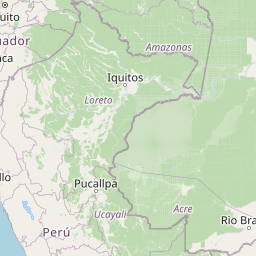
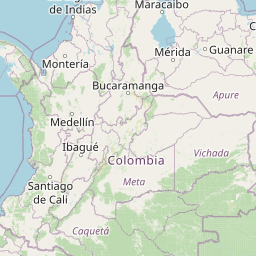
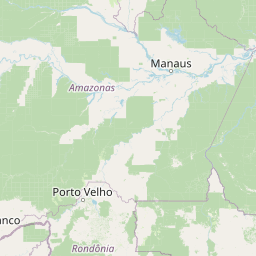
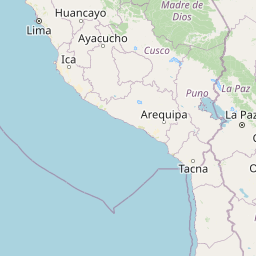

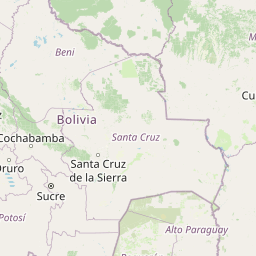
💡 Tip: Click on 'Start Animation' to track the trade caravan on its 55-day journey from the Guayusa cultivation areas in the Amazon lowlands (200-800m) to the site in the Bolivian highlands (3,600-4,000m). The animation shows the estimated travel time based on pre-Columbian travel speeds (~20 km/day).
Trade Routes
Based on archaeological and ethnobotanical data, the following trade routes can be reconstructed:
- East-West Axis: From the Amazon lowlands through the eastern Andean slopes into the highlands
- North-South Axis: Along the Andes chain from Ecuador to Bolivia
- River Routes: Along major Amazon tributaries (Napo, Pastaza, Marañón)
- Mountain Paths: Over Andean passes between lowland and highland
Traded Goods
Guayusa was part of a complex trading system:
| From Lowland to Highland | From Highland to Lowland |
|---|---|
| Guayusa (stimulant) | Metals (Gold, Copper) |
| Coca (Erythroxylum coca) | Ceramics |
| Ayahuasca Plants | Textiles (Wool) |
| Curare (poison) | Salt |
| Feathers, Skins | Tools |
| Wood, Resins | Llamas (pack animals) |
Significance for Guayusa
The fact that Guayusa was traded over such distances shows:
- High Value: Guayusa was valuable enough to justify transport over hundreds of kilometers
- Wide Recognition: Highland cultures also knew and appreciated Guayusa
- Preservability: Dried leaves were long-lasting and transportable
- Cultural Exchange: Knowledge about preparation and use was passed on
Traditional Use in Pre-Columbian Times
Based on ethnobotanical continuities, we can assume that Guayusa was used similarly in pre-Columbian times as it is today:
- Morning Ritual: Communal drinking before sunrise
- Dream Interpretation: Interpretation of nightly dreams under the influence of Guayusa
- Hunting Preparation: Strengthening and focusing before hunting
- Shamanic Practices: Use in spiritual ceremonies
- Medical Application: Against fatigue, stomach ailments, as a tonic
- Social Function: Gathering, knowledge transfer, community building
Colonial Period (16th-19th Century)
Early European Reports
The first European reports about Guayusa date back to the 16th and 17th centuries, but they are sparse. The plant was often confused with other Amazonian plants or not clearly identified.
Richard Spruce (1857)
The English botanist Richard Spruce was one of the first Europeans to document Guayusa in detail. During his Amazon expedition (1849-1864), he found a group of Guayusa trees near Baños, Ecuador, in 1857. This plantation is said to date back to pre-Columbian times.
Spruce's Observations:
- He used Guayusa as a tea substitute when his own tea supply ran out
- Described the taste as pleasant and less bitter than Chinese tea
- Noted the stimulating effect
- Documented indigenous use
Jesuit Trade (17th-18th Century)
A fascinating episode in the history of Guayusa is the trade by Jesuit missionaries in the 17th and 18th centuries. Dueñas et al. (2016) documented this previously little-known history:
Commercial Use
Jesuit missionaries active in the Amazon recognized the commercial value of Guayusa:
- Sale in Quito: Jesuits sold Guayusa as medicine in markets in Quito (capital of Ecuador)
- Medical Indication: Primarily marketed as a remedy for sexually transmitted diseases (syphilis, gonorrhea)
- Other Applications: Also for stomach ailments, as a tonic and stimulant
- Profitable: The trade was apparently lucrative enough to be conducted systematically
End of Jesuit Trade
1766/1767: The Jesuits were expelled from the Spanish colonies (order dissolved by King Charles III). With their expulsion, the organized Guayusa trade collapsed.
Consequences:
- Guayusa largely disappeared from urban markets
- Use was again primarily limited to indigenous communities
- Knowledge about medical applications was partially lost
- Guayusa fell into oblivion in Europe
Historical Significance
The Jesuit trade shows:
- Early Commercialization: Guayusa was already a commodity in the 17th century
- Medical Reputation: Europeans recognized therapeutic potential
- Cultural Transfer: Indigenous knowledge was (partially) passed on to colonial society
- Fragile trading systems: Political events could destroy trade networks
19th century: Scientific discovery
In the 19th century, systematic botanical research began:
- 1857: Richard Spruce documents Guayusa in Ecuador
- 1898: Warsczewicz collects sterile material in Peru
- 1901: Theodor Loesener describes Ilex guayusa scientifically for the first time (without flowers!)
20th century to present
Scientific research
In the 20th century, scientific research on Guayusa intensified:
| Year | Milestone | Researcher |
|---|---|---|
| 1972 | Archaeological find (500 AD) published | Richard Evans Schultes |
| 1972 | First caffeine analysis (1.8%) | Holmstedt & Lindgren |
| 1975 | First flowers discovered (after 77 years!) | Alberto Ortega |
| 1979 | Second flower find, morphological description | Melvin Shemluck |
| 1987 | HPLC analysis (1.7% caffeine) | Lewis et al. |
| 1991 | Wayus ritual quantified, pharmacokinetics | Lewis et al. |
| 2016 | Comprehensive ethnobotanical overview | Dueñas et al. |
| 2016 | Clinical pharmacokinetics study | Krieger et al. |
| 2016 | GRAS status (FDA) | Applied Food Sciences |
| 2017 | Polyphenol and carotenoid analysis | García-Ruiz et al. |
| 2020 | Critical overview of safety and composition | Wise & Negrin |
Modern commercialization
From the 2000s onwards, modern commercialization of Guayusa began:
First phase (2000-2010): Niche product
- Small Ecuadorian producers begin export
- Mainly in health food stores and online shops
- Focus on organic certification and fair trade
Second phase (2010-2020): Growth
- 2009: Runa LLC founded (USA), first major Guayusa brand
- 2016: Establishment of the first Guayusa brand GUYA in the EU
- 2016: GRAS status granted by FDA (important for the US market)
- Energy drinks with Guayusa hit the market
- Growing awareness in Europe and North America
Third phase (2020-present): Establishment
- Guayusa positioned as 'healthy coffee alternative'
- Numerous brands in various countries
- GUYA (drinkguya.com): Europe's leading Guayusa brand, direct trade with Ecuadorian farmers
- Growing scientific research
- Increasing interest in sustainability and indigenous rights
Current situation
Today, Guayusa is primarily produced in Ecuador, with smaller quantities in Peru and Colombia. Production occurs almost exclusively in traditional Chakra systems (agroforestry Land use system combining trees and shrubs with agricultural crops. Guayusa is traditionally cultivated in Chakra systems, a form of indigenous agroforestry.agroforestry
Challenges:
- Balancing commercialization and traditional use
- Protection of indigenous rights and knowledge
- Sustainable production without monocultures
- Fair prices for farmers
- Preservation of biodiversity in Chakra systems
Opportunities:
- Source of income for indigenous communities
- Preservation of traditional agroforestry systems
- Global recognition of indigenous culture
- Alternative to environmentally harmful coffee cultivation
- Growing market for healthy stimulants
Ethnobotany: Traditional use by indigenous peoples
Guayusa is deeply rooted in the culture of several indigenous peoples of the western Amazon region. Its use goes far beyond simple consumption - Guayusa is an integral part of social, spiritual, and medical practices.
Kichwa people (Quichua, Quechua)
The Kichwa are the largest indigenous group in the Ecuadorian Amazon and the main cultivators of Guayusa.
Traditional use
Morning ritual:
- Time: 3-5 AM, long before sunrise
- Place: Around the fire in the main house (maloca)
- Participants: Entire family, sometimes extended community
- Preparation: Large quantities of Guayusa boiled in clay pots for 30-60 minutes
- Consumption: Everyone drinks several large calabashes (pilche)
Activities during the ritual:
- Dream interpretation (Wayusa Upina): Each family member shares their dreams, which are interpreted collectively. Dreams are considered messages from spirits or ancestors.
- Storytelling: Elders recount myths, legends, and historical events
- Knowledge transfer: Practical knowledge about hunting, agriculture, and medicine is passed on
- Daily planning: Activities of the day are discussed and coordinated
- Social bonding: Strengthening familial and community relationships
Cultural significance
For the Kichwa, Guayusa is much more than a stimulant:
- 'Wayusa Mama' (Guayusa Mother): Guayusa is revered as a female spirit entity that provides protection, wisdom, and energy
- Cultural identity: The Wayusa ritual is a central component of Kichwa identity
- Educational institution: The morning ritual is the most important form of informal education
- Social control: Misconduct is addressed and corrected during the ritual
Modern Kichwa practices
Even today, many Kichwa practice the Wayusa ritual, although it is under pressure from modernization:
- 'Gran Guayusazo Bailable': Modern dance festival in Kichwa communities where Guayusa is central
- 'Guayusa Warmi' (Guayusa Woman): Beauty queen competition in some communities
Guayusa Warmi
Kichwa term for "Guayusa woman" - female spirits or guardian goddesses associated with Guayusa plants. Part of Shuar mythology.
More Info - Commercial production: Many Kichwa families produce Guayusa for export
- Cultural revitalization: Younger generations are rediscovering traditional practices
Shuar people (Jivaro)
The Shuar (formerly derogatorily referred to as 'Jivaro') are a warrior people in the southern Ecuadorian and northern Peruvian Amazon. Their use of Guayusa is particularly intense and ritualized.
Morning ritual
Similar to the Kichwa, but with specific Shuar elements:
- Even earlier: Often at 2-3 AM
- Longer duration: Up to 2-3 hours
- Larger quantities: Shuar often drink even more Guayusa than Kichwa
- Intensified dream interpretation: Dreams play a central role in decision-making
Hunting preparation
For the Shuar, Guayusa is essential for successful hunting:
- Before the hunt: Hunters drink large quantities of Guayusa for endurance and focus
- Visual sharpness: Guayusa is said to enhance eyesight (possibly through pupil dilation)
- Mental clarity: Helps to 'feel' and locate prey
- Physical endurance: Allows for hours of hunting without fatigue
- Spiritual connection: Guayusa connects hunters with hunting spirits
Dog training
A fascinating Shuar practice is the use of Guayusa in dog training:
- Method: Guayusa water is rubbed on the faces of young hunting dogs
- Goal: Dogs are to become better hunters
- Mechanism: Shuar believe that dogs then dream of hunting animals and learn to hunt them
- Ritual: Accompanied by songs and prayers
Scientific perspective: It is unclear whether caffeine is absorbed through the skin or if this is purely ritualistic. However, the practice demonstrates the central role of Guayusa in the Shuar worldview.
War preparation (historical)
Historically, Shuar warriors used Guayusa before military campaigns:
- Courage and aggression: Guayusa was supposed to instill fearlessness
- Endurance: For long marches and battles
- Visions: Dreams revealed strategies and outcomes of the battle
- Collective preparation: Warriors drank together, strengthening group cohesion
Achuar people
The Achuar are a subgroup of the Jivaro and closely related to the Shuar. Their use of Guayusa is the best scientifically documented, thanks to the work of Lewis et al. (1991).
Guayusa Rituals: Cultural Differences
The various indigenous peoples practice Guayusa rituals in different ways. While all groups drink Guayusa in the early morning hours, there are significant cultural differences in the execution:
Comparison Table: Guayusa Rituals of Indigenous Peoples
| Parameter | Kichwa (Ecuador) | Achuar (Peru) | Shuar (Ecuador/Peru) |
|---|---|---|---|
| Time | 3-6 AM | Early morning hours | 2-3 AM (even earlier) |
| Duration | Approx. 3 hours | Approx. 55 minutes | 2-3 hours |
| Participants | Entire village (men, women, children) | 2 groups of men | Primarily men |
| Amount per person | Variable, distributed over 3 hours | ~2.2 liters (593 mg caffeine) | Large amounts (more than Kichwa) |
| Ritual vomiting | NO ✅ | YES (after 55 min.) ⚠️ | Not documented |
| Main purpose | Community strengthening, knowledge exchange, day planning | Controlled caffeine intake, stimulation | Hunting preparation, dream interpretation, endurance |
| Activities during | Work (wood, art, clothing), dream interpretation, storytelling | Drinking, then vomiting | Dream interpretation, hunting planning, visions |
| Social structure | Inclusive, communal | Men's groups | Men's groups, warriors |
| Scientific documentation | Ethnographic reports | Lewis et al. (1991) - quantitative | Ethnographic reports |
Note: This table is based on available scientific and ethnographic sources. The Kichwa data comes from field observations, the Achuar data from the quantitative study by Lewis et al. (1991), and the Shuar data from ethnographic reports. There may be regional variations within each ethnic group.
Kichwa-Upina: Communal Ritual WITHOUT Vomiting
Among the Kichwa in Ecuador, the Guayusa-Upina is a communal gathering that lasts about 3 hours and involves the entire village. This ritual is not associated with vomiting:
- Timing: Early morning hours (around 3-6 AM)
- Duration: About 3 hours of continuous drinking
- Participants: The entire village comes together
- Activities: While drinking, work is done (woodworking, art, clothing, food), dreams are interpreted, predictions are made, and the day is planned
- Social Function: Strengthening community, knowledge exchange, collective decision-making
- No Vomiting: The Kichwa practice does not involve ritual vomiting
Achuar-Wayus: Ritual WITH Vomiting (Lewis et al. 1991)
In contrast to the Kichwa practice, the scientific study by Lewis et al. (1991) documented a ritual among the Achuar in Peru that ends with ritual vomiting. The term 'Upina' specifically refers to the ritual drinking and subsequent vomiting among the Achuar:
Lewis et al. (1991) conducted the first and so far only scientific quantification of this specific Achuar ritual. The researchers participated in an authentic ceremony in Puranchim, Peru, in December 1988 and for the first time documented precise quantities, timelines, and physiological effects. This groundbreaking study clarified the long-mysterious question of why ritual vomiting is an integral part of the ceremony among the Achuar – it serves to control the intake of caffeine and other methylxanthines.
⚠️ Important Note: The Lewis et al. (1991) study describes only the Achuar practice in Peru. These results should not be generalized to other peoples such as the Kichwa, as significant cultural differences exist. The Kichwa-Upina in Ecuador does not involve vomiting and has a different social context.
Quantitative Data of the Achuar Ceremony
Ceremony Details (Achuar, December 1988, Lewis et al.):
| Parameter | Value |
|---|---|
| Participants | 2 groups of men |
| Total volume of decoction | 20.3 liters |
| Dried leaves used | 164.2 grams |
| Per person (average) | ~2.2 liters from 17.8g of leaves |
| Caffeine content of the leaves | 3.33% (after 1h of boiling) |
| Caffeine per person | ~593 mg |
| Duration of drinking | ~55 minutes |
| Then: Vomiting | After ~55 minutes |
Pharmacokinetics
Lewis et al. took blood samples from one participant:
- Before Drinking: Baseline values
- After 55 Minutes (after Vomiting): Caffeine levels measured
- Result: Only 51% of the methylxanthines remained in the body
- Conclusion: Vomiting is an effective method for regulating caffeine dosage
Why Vomiting among the Achuar?
The Lewis et al. (1991) study clarified a long-standing question: Why do the Achuar vomit after drinking, while other peoples like the Kichwa do not?
Previous Hypotheses (disproved):
- ❌ Guayusa contains emetic (vomit-inducing) compounds → False: No such compounds found
- ❌ Vomiting is an unintended side effect → False: It is intentional and controlled
Correct Explanation:
- ✅ Vomiting is learned and culturally transmitted
- ✅ Purpose: Regulation of caffeine dosage
- ✅ Mechanism: Large amounts of liquid + voluntary contraction → Vomiting
- ✅ Result: Maximum stimulation without overdose
Clever Strategy: The Achuar have developed a cultural technique to:
- Consume very high doses of caffeine (593 mg - about 6 cups of coffee!)
- Facilitate rapid absorption (45 minutes)
- Avoid overdose (by vomiting 49%)
- Prevent unwanted CNS effects (palpitations, anxiety, tremors)
Other Achuar Practices
- Daily Practice: Wayus ritual is performed every morning, not just on special occasions
- Only Men: Traditionally, only men drink large amounts and vomit; women drink smaller amounts
- Socialization: Boys learn vomiting from older men
- Identity Marker: The ability to drink and vomit large amounts is a sign of masculinity
Guayusa and Ayahuasca
There is an interesting connection between Guayusa and Ayahuasca, the famous psychedelic brew of the Amazon.
Complementary Use
Several sources document the use of Guayusa in connection with Ayahuasca:
- Before Ayahuasca: Guayusa is drunk to mask the bitter taste of Ayahuasca
- Während der Zeremonie: Guayusa gibt "Kraft", um die intensive Ayahuasca-Erfahrung zu bewältigen
- After Ayahuasca: Guayusa is consumed to prevent 'hangovers' and restore clarity
- Complementary Effects: Ayahuasca opens spiritual dimensions, Guayusa provides focus and grounding
Documented Practices
Shemluck (1979) documented in Río Chicó, Ecuador:
- Local informant Rafael Santi explained the use of Guayusa with Ayahuasca
- Guayusa 'kills the bitter taste' of Ayahuasca
- Guayusa 'prevents hangovers' after Ayahuasca
- Guayusa 'gives a person strength to cope with the powerful hallucinogen'
Pharmacological Perspective
From a scientific perspective, this combination makes sense:
- Caffeine as a Stimulant: Can partially offset sedation caused by Ayahuasca
- Antioxidants: Guayusa polyphenols could reduce oxidative stress
Antioxidants
Substances that prevent oxidative damage caused by free radicals. Guayusa contains high amounts of polyphenols with antioxidant effects (ORAC value: 127–159 µmol TE/g).
More Info - Focus: Caffeine + L-Theanine improve mental clarity during intense experiences
- Cultural Significance: The combination is deeply rooted in shamanic practices
Other Indigenous Peoples
Cofán
The Cofán (or A'i) in northern Ecuador and southern Colombia use Guayusa less centrally than Kichwa or Shuar:
- Occasional Use: Not a daily ritual, but used as needed
- Additive to Alcohol: Guayusa is sometimes added to fermented cassava beer (chicha)
- Medicinal: Against fatigue and stomach ailments
Secoya
The Secoya in eastern Ecuador use Guayusa similarly to the Cofán Indigenous ethnic group in Ecuador and Colombia. The Cofán traditionally use guayusa for morning rituals and as preparation for hunting.Cofán
- Less central in culture
- Mainly as a stimulant as needed
- Sometimes combined with alcohol
Awajún (Peru)
The Awajún in northern Peru use Guayusa similarly to the Shuar:
- Blood Cleansing: Main use for 'cleansing the blood'
- Diabetes Treatment: Traditionally used against 'sweet blood' (diabetes)
- Post-partum: Vaginal cleansing after childbirth
- Morning Ritual: Similar to Shuar/Achuar
Pasto (Colombia)
In the Sibundoy Valley (Colombia), Guayusa has an interesting modern use:
- 'Hervidos' (Cocktails): Guayusa is served in bars ('peñas') as a hot cocktail
- Up to 3,000m elevation: Guayusa grows here at unusually high altitudes
- Commercial Tonic: Historically sold as 'The Bristol of Putumayo'
- Cultural Fusion: A blend of indigenous tradition and colonial influences
Important Scientific Sources
- Schultes, R.E. (1972). Ilex guayusa from 500 AD to the present. Etnologiska Studier, 32, 115-138.
- Shemluck, M. (1979). The flowers of Ilex guayusa. Botanical Museum Leaflets, Harvard University, 27(5-6), 155-160.
- Lewis, W.H., et al. (1991). Ritualistic use of the holly Ilex guayusa by Amazonian Jivaro Indians. Journal of Ethnopharmacology, 33(1-2), 25-30.
- Dueñas, J.F., et al. (2016). Amazonian Guayusa (Ilex guayusa Loes.): A historical and ethnobotanical overview. Ethnobotany Research and Applications, 14, 327-340.
- Schultes, R.E. (1979). Discovery of an ancient guayusa plantation in Colombia. Botanical Museum Leaflets, Harvard University, 27, 143-153.
Discover GUYA
Experience authentic Guayusa from Ecuador with a transparent supply chain and direct support for the Kichwa communities.
To GUYA - drinkguya.com →